
Abstract: Silicone adhesives have become an essential solution for a wide range of industries due to their flexibility, durability, and resistance to extreme conditions. This article explores the types, applications, advantages, and troubleshooting tips for silicone adhesives, helping users select the right product for their specific needs.
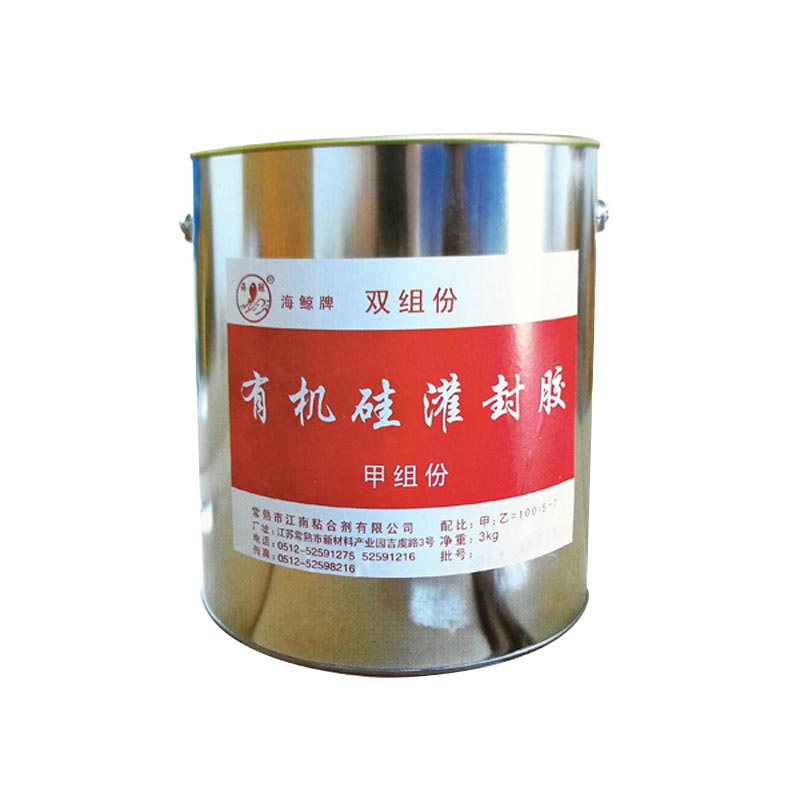
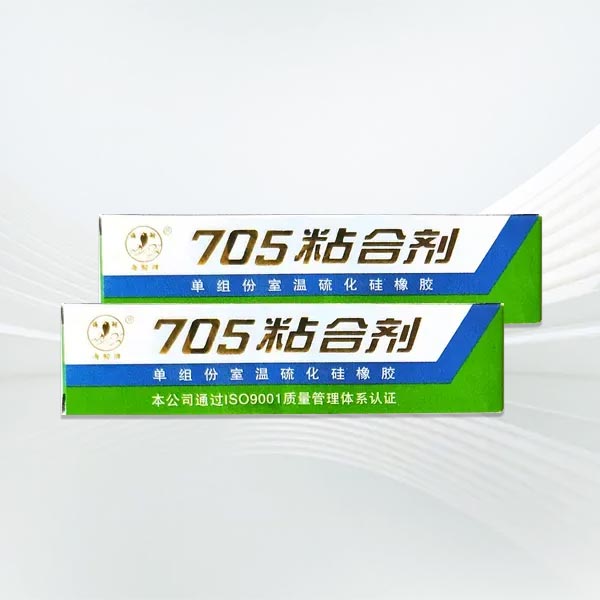
Silicone adhesives are a category of adhesives known for their strong bonding capabilities, elasticity, and high temperature resistance. Unlike traditional adhesives, they maintain performance in extreme environments and are compatible with a variety of surfaces including metals, glass, plastics, and ceramics.
The growth of electronics, automotive, and construction industries has fueled the demand for reliable silicone adhesives, making them a staple in modern manufacturing and maintenance processes.
Silicone adhesives can be broadly classified into the following types:
| Type | Description | Typical Applications |
|---|---|---|
| RTV Silicone (Room Temperature Vulcanizing) | Cures at room temperature to form a flexible, durable bond. | Sealing electronics, gasketing, household repairs. |
| High-Temperature Silicone Adhesives | Designed to withstand temperatures exceeding 300°C without losing strength. | Automotive exhaust systems, industrial machinery, ovens. |
| Structural Silicone Adhesives | High-strength bonding suitable for structural applications. | Glass curtain walls, metal assemblies, solar panels. |
Silicone adhesives are widely used across multiple industries due to their unique properties:
Silicone adhesives offer several benefits that make them superior to conventional adhesives:
Choosing the appropriate silicone adhesive depends on several factors. Consider the following table for guidance:
| Factor | Consideration | Recommendation |
|---|---|---|
| Surface Type | Metal, plastic, glass, or ceramic | Select an adhesive specifically compatible with your substrate |
| Temperature Requirements | High, medium, or low temperature | Use high-temp silicone for extreme heat exposure |
| Flexibility Needed | Static or dynamic stress | Choose structural silicone for high-strength bonding, RTV for flexible joints |
| Environment | Indoor, outdoor, wet, chemical exposure | Opt for weatherproof and chemical-resistant grades |
Even high-quality silicone adhesives can face performance challenges. Common issues include:
Silicone adhesives provide unmatched versatility for a wide range of applications, offering durability, flexibility, and high-performance bonding. By understanding the types, advantages, and proper usage, businesses and individuals can select the ideal silicone adhesive for their needs.
For high-quality silicone adhesives, Jiangnan Adhesives offers a full range of products designed to meet industrial and consumer demands. Visit our Silicone Adhesives page and contact us today to find the perfect solution for your bonding challenges.