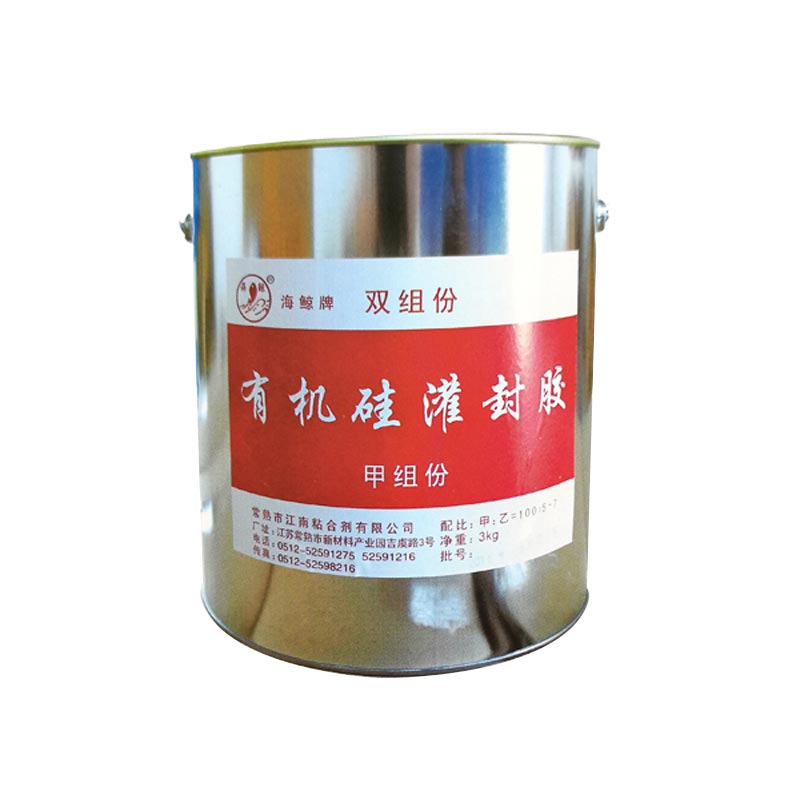
Silicone adhesives have become an essential solution for a wide range of industries due to their flexibility, durability, and resistance to extreme conditions. This article explores the types, applications, advantages, and troubleshooting tips for silicone adhesives, helping users select the right product for their specific needs.
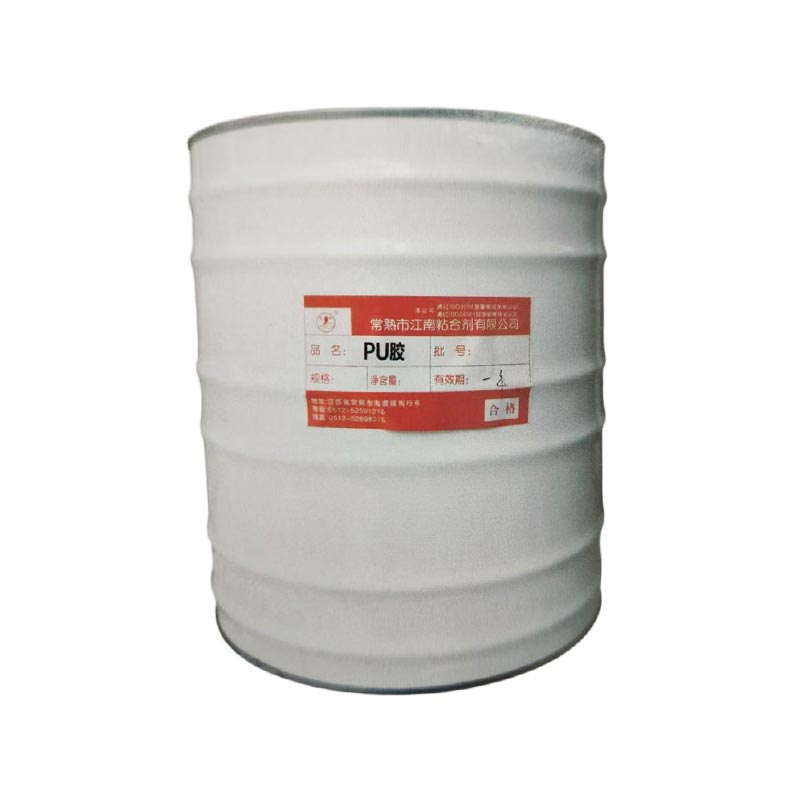
Polyisocyanate adhesive is a high-performance bonding material widely used in industrial manufacturing, construction, automotive assembly, and composite material processing. Its unique chemical structure enables strong adhesion to wood, metals, plastics, and engineered substrates under demanding environmental conditions. This article explains how polyisocyanate adhesive works, its formulation principles, performance advantages, and real-world applications. It also provides practical guidance for selection and use, helping users solve common bonding challenges such as weak adhesion, moisture sensitivity, and long-term durability issues. Whether you are an engineer, procurement specialist, or production manager, understanding this adhesive system will help optimize bonding efficiency and product reliability.
Clear environmental attributes and strict control of harmful substances: The entire range of Bradley adhesive products do not add toxic solvents such as benzene, toluene, xylene, halogenated hydrocarbons, etc. in the formulation and production process, and comply with the EU RoHS standard. Some building adhesives use formaldehyde free formulas, and some sealant models have passed low VOC and mold proof certifications. During construction and use, it can reduce the release of harmful chemicals and is suitable for environmentally friendly places such as homes, hotels, hospitals, etc.
3M silicone anti-collision particles/stickers are mostly made of silicone and come with adhesive backing. They are commonly available in small sizes such as round and square. Mainly used for furniture cabinet doors, drawers, refrigerators, door handles, toilet seats, appliance corners, etc., it plays a role in buffering and reducing collision noise, while protecting furniture and walls from scratches and bumps. Some products have temperature resistance characteristics and can be used in high temperature environments such as kitchens. When peeled off, it is usually not easy to leave residual offset printing and is suitable for various home surfaces.
The construction environment needs to maintain good ventilation, with temperature controlled between 5 ℃ -35 ℃ and relative humidity maintained between 40% -70%. Too low a temperature can slow down the curing process, and even cause the surface to become sticky and unable to fully form; Excessive humidity may cause bubbles to form in the adhesive layer, reducing bonding stability.
We use cookies to offer you a better browsing experience, analyze site traffic and personalize content. By using this site, you agree to our use of cookies.
Privacy Policy


 04 2026-06
  04 2026-06
  01 2026-06
  13 2026-05
  13 2026-05
  13 2026-05