
Polyisocyanate adhesive is a high-performance bonding material widely used in industrial manufacturing, construction, automotive assembly, and composite material processing. Its unique chemical structure enables strong adhesion to wood, metals, plastics, and engineered substrates under demanding environmental conditions. This article explains how polyisocyanate adhesive works, its formulation principles, performance advantages, and real-world applications. It also provides practical guidance for selection and use, helping users solve common bonding challenges such as weak adhesion, moisture sensitivity, and long-term durability issues. Whether you are an engineer, procurement specialist, or production manager, understanding this adhesive system will help optimize bonding efficiency and product reliability.
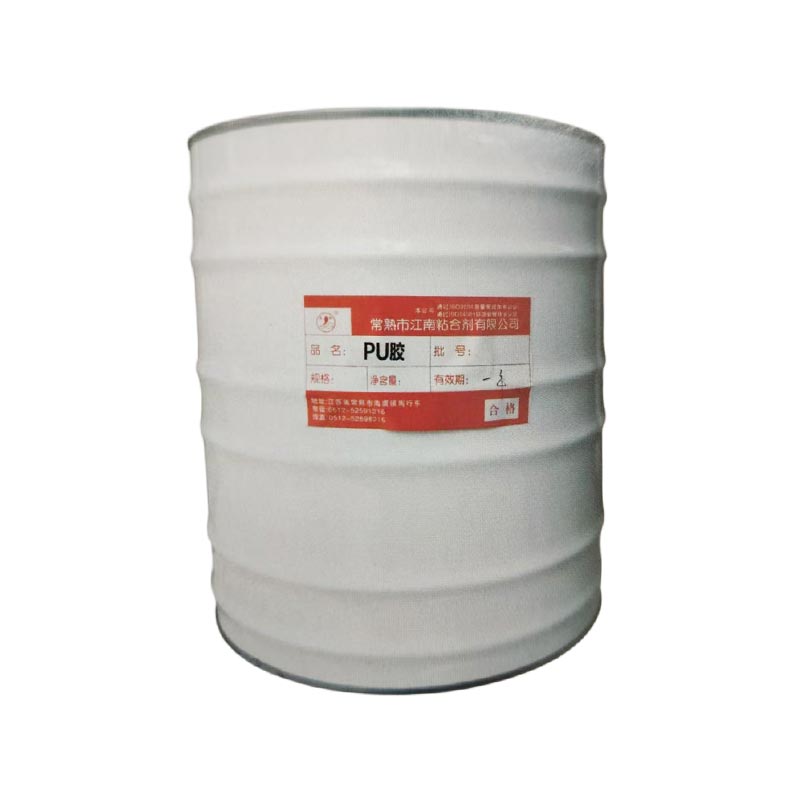
In modern manufacturing, adhesive performance directly affects product strength, lifespan, and safety. Traditional mechanical fastening methods often fail to meet requirements for lightweight design, corrosion resistance, and structural integrity. Polyisocyanate adhesive systems provide a chemical bonding solution that forms strong molecular bridges between substrates. This technology is especially valuable in industries where vibration resistance, temperature stability, and long-term durability are critical.
The increasing demand for advanced composite structures has made polyisocyanate-based systems an essential material in engineering applications, replacing or supplementing mechanical fastening and conventional glues.
Polyisocyanate adhesive is a reactive polymer system containing isocyanate functional groups (-NCO). These groups react with moisture or hydroxyl-containing compounds to form urethane linkages, creating a highly cross-linked polymer network. This reaction is the foundation of its exceptional bonding strength and resistance properties.
It is commonly used either as a single-component moisture-curing adhesive or as part of a two-component system blended with polyols or resins.
The working mechanism of polyisocyanate adhesive is based on chemical cross-linking. When applied, the isocyanate groups react with moisture present in the air or substrate surfaces. This leads to the formation of polyurethane chains that interlock with the material surface at a molecular level.
This chemical bonding mechanism ensures higher durability compared to physical adhesion systems.
These features make polyisocyanate adhesives suitable for both structural and semi-structural applications.
Polyisocyanate adhesive is widely used across multiple industries due to its versatility and performance reliability.
Its adaptability across porous and non-porous materials makes it a preferred choice in advanced manufacturing.
| Property | Polyisocyanate Adhesive | Epoxy Adhesive | Polyurethane Adhesive |
|---|---|---|---|
| Moisture Resistance | High | Medium | High |
| Curing Speed | Fast to Medium | Slow | Medium |
| Flexibility | Moderate | Low | High |
| Temperature Resistance | High | High | Medium |
Compared with conventional adhesives, polyisocyanate systems offer a balanced combination of strength, flexibility, and environmental resistance.
Proper selection ensures optimal bonding performance and reduces production failures.
Strict process control is essential for achieving maximum adhesive performance.
Addressing these issues requires both process optimization and correct material selection.
Q1: Is polyisocyanate adhesive waterproof?
Yes, once fully cured, it exhibits strong water resistance suitable for humid environments.
Q2: Can it bond metal and wood together?
Yes, it is highly effective for dissimilar material bonding applications.
Q3: How long does it take to cure?
Curing time depends on formulation, temperature, and humidity, typically ranging from minutes to several hours.
Q4: Is surface preparation necessary?
Yes, proper cleaning and drying significantly improve bonding performance.
Polyisocyanate adhesive represents a high-performance bonding solution designed for modern industrial requirements. Its chemically reactive structure ensures strong adhesion, durability, and resistance to environmental stress. By understanding its working mechanism and application methods, industries can significantly improve product quality and structural reliability.
For advanced adhesive solutions and technical support, Jiangnan Adhesives provides professional-grade products tailored to industrial demands. For customized solutions and expert assistance, contact us today at Jiangnan Adhesives.