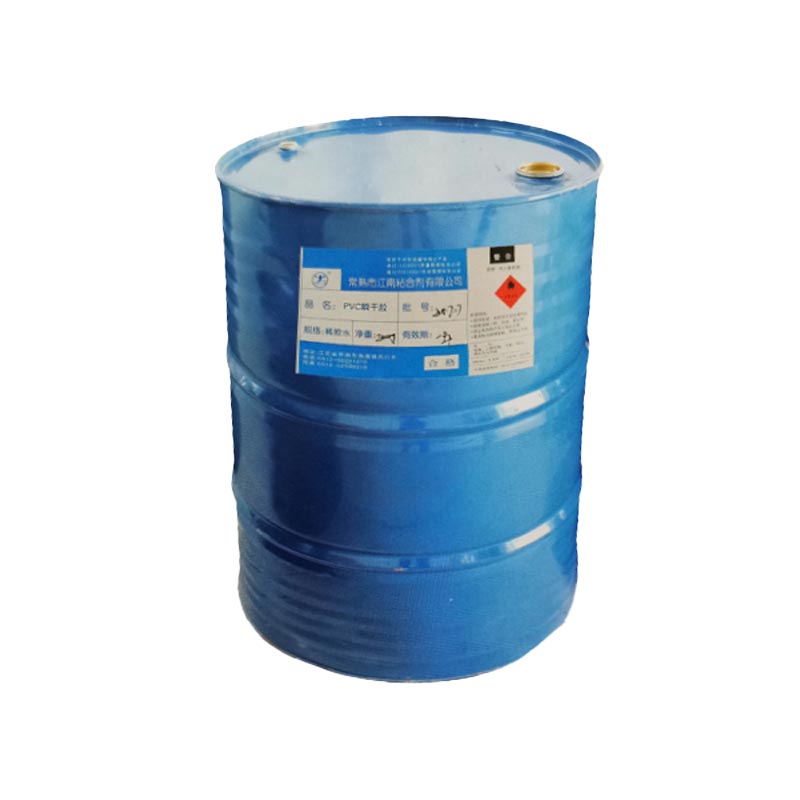
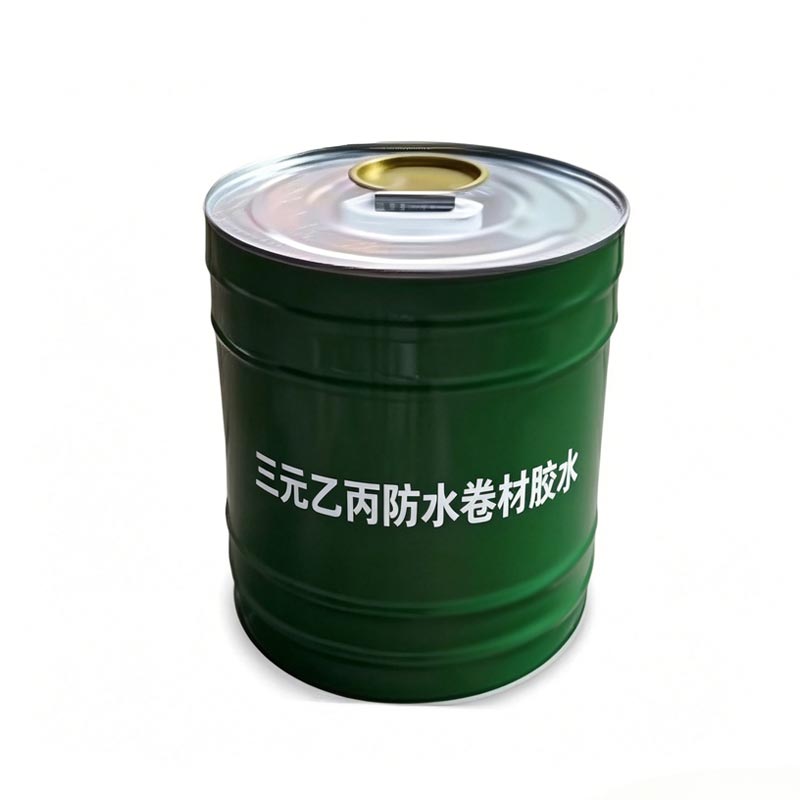
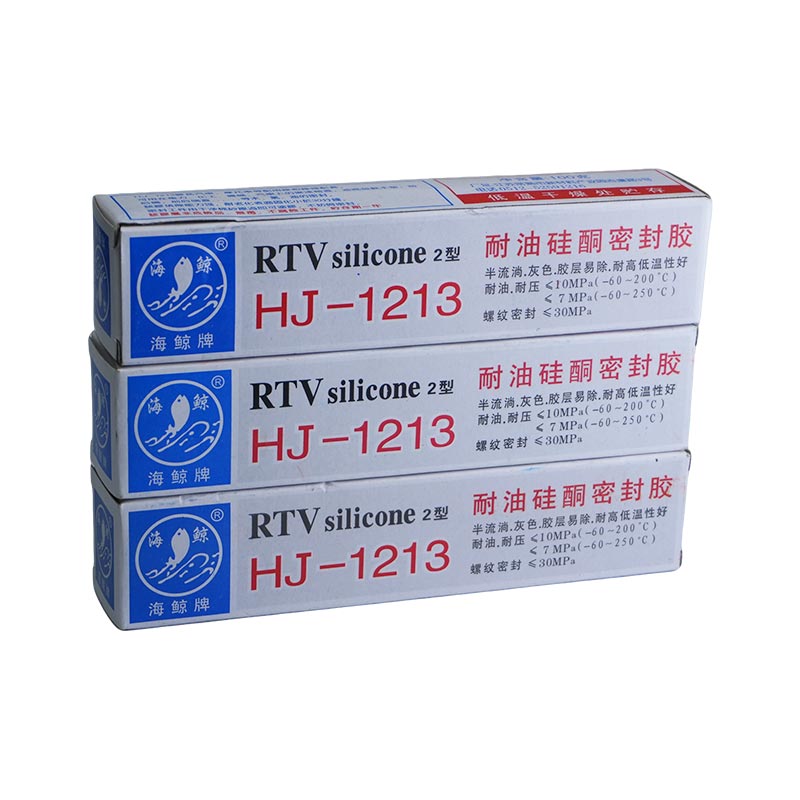
The construction environment needs to maintain good ventilation, with temperature controlled between 5 ℃ -35 ℃ and relative humidity maintained between 40% -70%. Too low a temperature can slow down the curing process, and even cause the surface to become sticky and unable to fully form; Excessive humidity may cause bubbles to form in the adhesive layer, reducing bonding stability.
The surface of the adhered object needs to be treated to ensure that there is no dust, oil stains, water stains, oxide layer, or residual impurities. First, wipe the surface dust with a dust-free cloth, then use organic solvents such as acetone and ethyl acetate to degrease and remove dirt. Wait for the solvent to completely evaporate before applying glue; Rough surfaces need to be moderately polished to improve the adhesion between the adhesive and the contact surface.
Avoid construction in places with strong direct sunlight, strong acidic and alkaline environments, or corrosive gases, as these factors can accelerate the deterioration of the adhesive solution or damage the cured adhesive layer structure, affecting the sealing and bonding effect.
2、 Detail control of glue application operation
The glue application tool should be kept clean and dry, and tools such as brushes, glue dispensers, syringes, etc. can be used to evenly apply glue. When applying adhesive, control the thickness of the adhesive layer and evenly cover the bonding surface with thin coating. If thick layer sealing is required (with a single stacking thickness exceeding 3 millimeters), it is recommended to pour in layers, with each layer thickness not exceeding 3 millimeters. After each layer is vulcanized, apply the next layer of adhesive to avoid incomplete curing of the thick layer.
After applying the adhesive, the drying time should be controlled according to the product instructions to allow the solvent in the adhesive solution to fully evaporate, and then the adhesive should be adhered and aligned. When fitting, press moderately to expel bubbles from the adhesive layer, ensuring complete contact between the adhesive solution and the contact surface, and avoiding gaps that may affect the sealing performance.
During the glue application process, avoid contact between the glue solution and the skin, eyes, and respiratory mucosa. If it is necessary to adjust the position of the glue solution, it should be operated before the glue solution has solidified. After solidification, do not tear the glue layer at will to prevent damage to the sealing structure.
3、 Core requirements for safety protection
Wear protective equipment during construction, such as long sleeved protective clothing, chemical protective gloves (recommended nitrile material), and protective goggles to avoid direct skin contact with the adhesive solution. If the glue splashes onto the skin, immediately rinse repeatedly with running water and soap; If it splashes into the eyes, immediately rinse with plenty of water for at least 15 minutes and seek medical attention promptly.
Maintain good ventilation throughout the entire process to avoid inhaling steam from the evaporation of the adhesive solution. If you experience dizziness, coughing, respiratory discomfort, etc., immediately move to a place with fresh air to rest and seek medical attention if necessary; Eating, drinking, and smoking are strictly prohibited in the construction area to prevent accidental ingestion of glue or the risk of fire.
Adhesive liquid belongs to the category of flammable liquids. During construction, it should be kept away from flammable sources such as open flames, heat sources, and electric sparks. It is prohibited to bring flammable and explosive materials into the construction area. Appropriate fire extinguishing equipment (such as dry powder extinguisher and foam extinguisher) shall be provided for use in case of emergency fire.
4、 Key points of storage and transportation management
When stored, seal and store in the original packaging container, in a cool, dry, and ventilated environment, with a temperature controlled between 5 ℃ -25 ℃, avoiding direct sunlight, high temperature exposure, and humid environments. Keep away from children and unrelated personnel, store in a separate storage area, avoid mixing with oxidants, water, acidic and alkaline substances, and prevent the glue from deteriorating and becoming ineffective.
Ensure that the packaging container is sealed properly during transportation, without any leakage or damage. Avoid severe collisions and squeezing to prevent packaging deformation from causing glue leakage; During transportation, keep away from high temperature, humidity, and strong light environments, avoid transporting flammable and corrosive materials in the same vehicle, and strictly follow the relevant regulations for chemical transportation.
The adhesive solution has a shelf life requirement and must be used within the shelf life. If the adhesive solution expires, its condition should be checked first. If there are abnormal conditions such as layering, clumping, or odor, it cannot be used. Unused glue should be sealed and stored in a timely manner to avoid residual glue contaminating the original packaging or affecting subsequent use.
5、 Curing and subsequent control
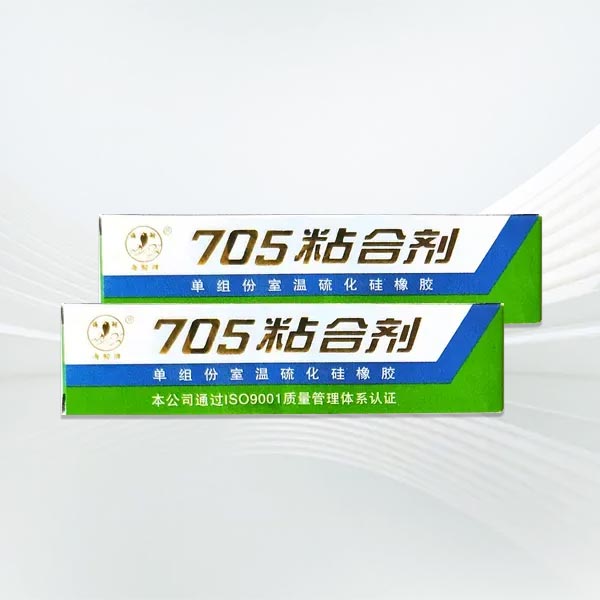
705 adhesive is room temperature vulcanization type, which forms a crust and dries on the surface in about 25 minutes at room temperature (around 25 ℃), and can be completely cured within 24 hours. During the curing process, avoid moving or touching the adhered material to prevent deformation and cracking of the adhesive layer, which may affect the bonding strength; If the ambient temperature is below 10 ℃, the adhesive can be transferred to a warm environment to accelerate curing, but avoid high-temperature baking that may cause shrinkage and deformation of the adhesive layer.
After curing is completed, check the condition of the adhesive layer to ensure that it is intact, without bubbles, delamination, or cracking. If there are defects, the surface needs to be cleaned again and the adhesive should be repaired. The cured adhesive layer has a certain degree of flexibility and can adapt to slight deformations, but it should avoid long-term stress, pulling, or contact with strong corrosive media.
After the construction is completed, the construction tools should be cleaned in a timely manner, and the residual adhesive solution should be cleaned with a matching organic solvent (such as acetone). The waste liquid and residue after cleaning should be treated according to local environmental regulations to avoid polluting the environment. Clean hands and contact areas after operation to avoid residual adhesive on the skin.
6、 Additional requirements for special scenarios
When used for sealing electronic components, avoid the adhesive liquid from contacting the sensitive areas of the components to prevent the adhesive liquid from curing and affecting the heat dissipation or circuit connection of the components; The amount of glue should be moderate to avoid overflow of glue and short circuit of components.
When used for bonding metal and non-metal materials, it is necessary to confirm the compatibility of the two materials to avoid bonding failure due to differences in material characteristics; After curing, check the firmness of the bonding area to ensure that it meets the strength requirements for use.
If long-term outdoor use is required, additional protective measures can be taken after curing to prevent the adhesive layer from being affected by UV radiation and rainwater erosion for a long time, thereby extending its service life.
We use cookies to offer you a better browsing experience, analyze site traffic and personalize content. By using this site, you agree to our use of cookies.
Privacy Policy