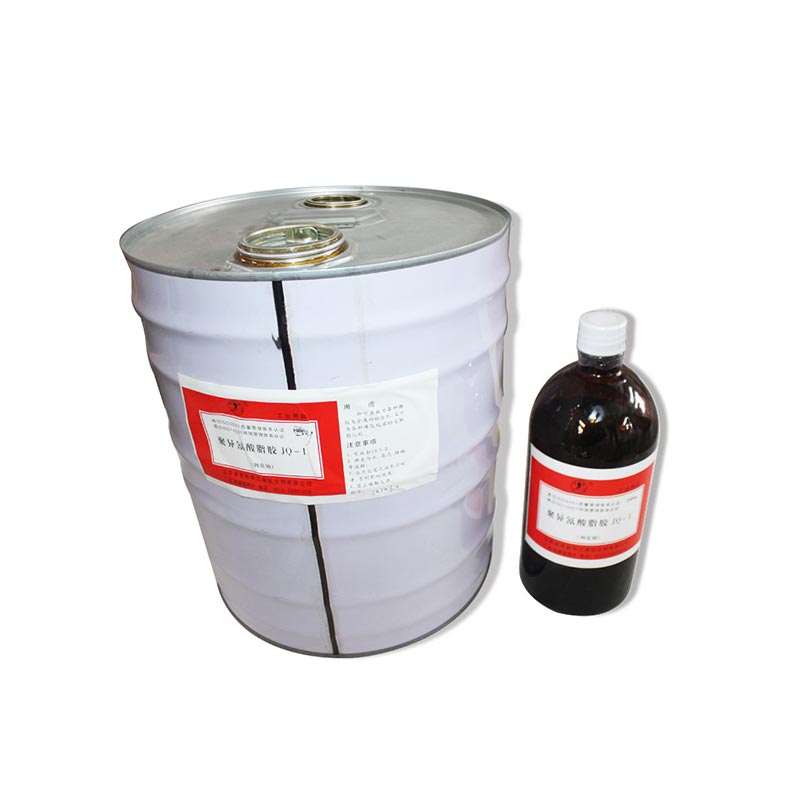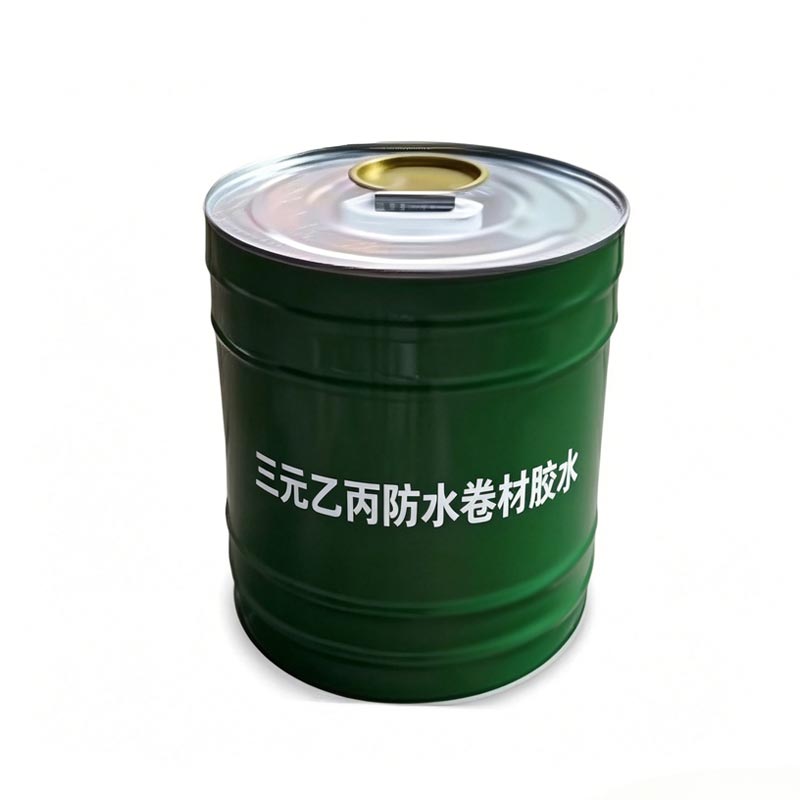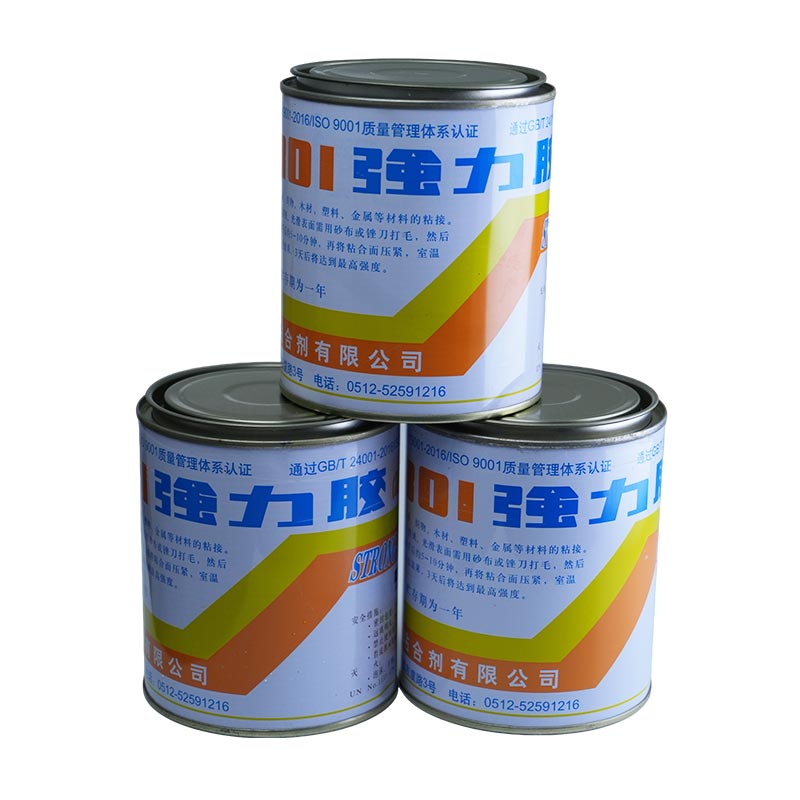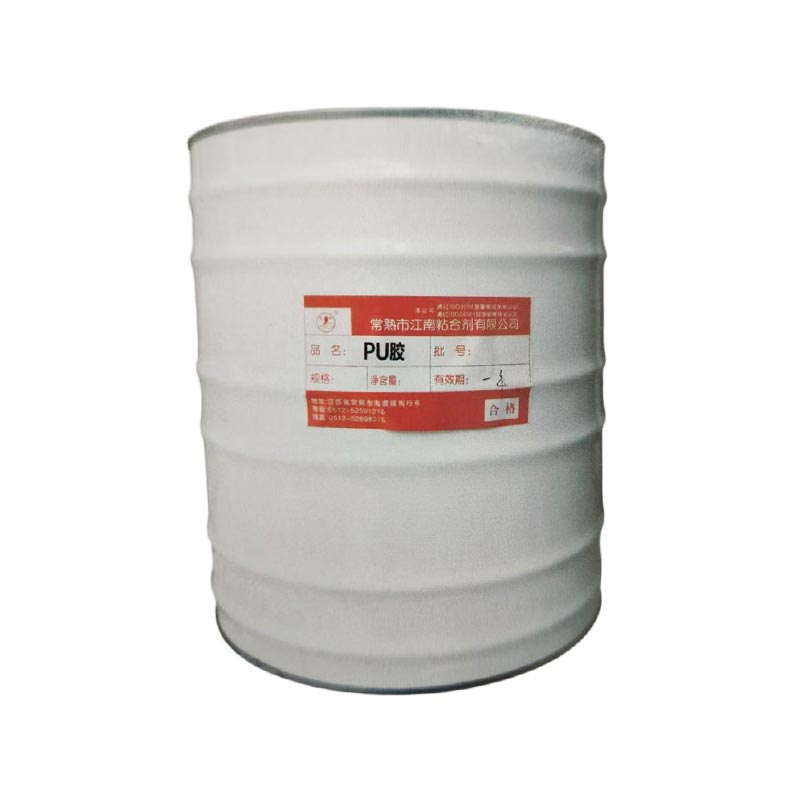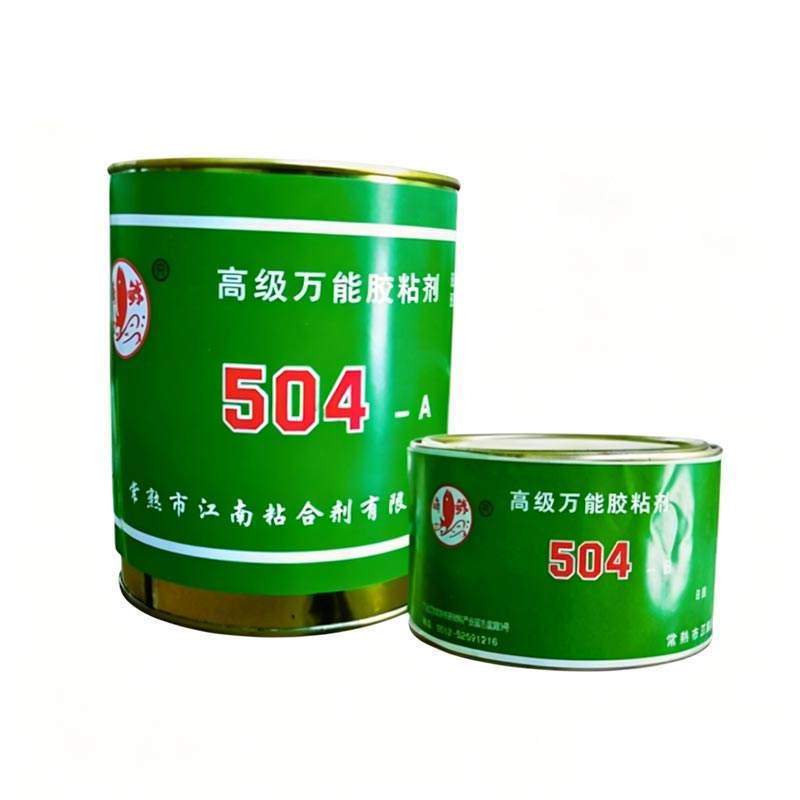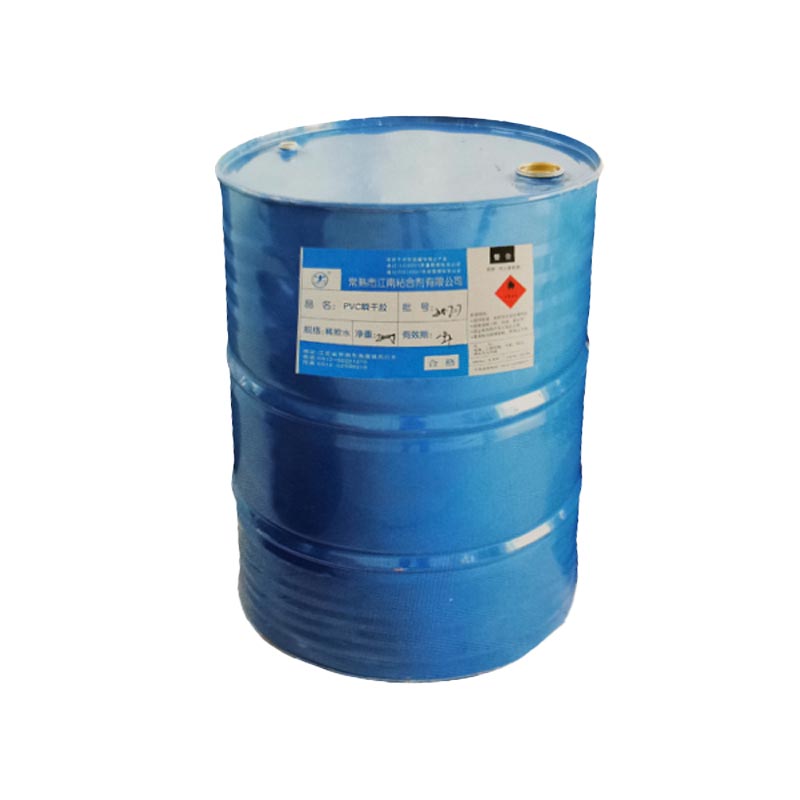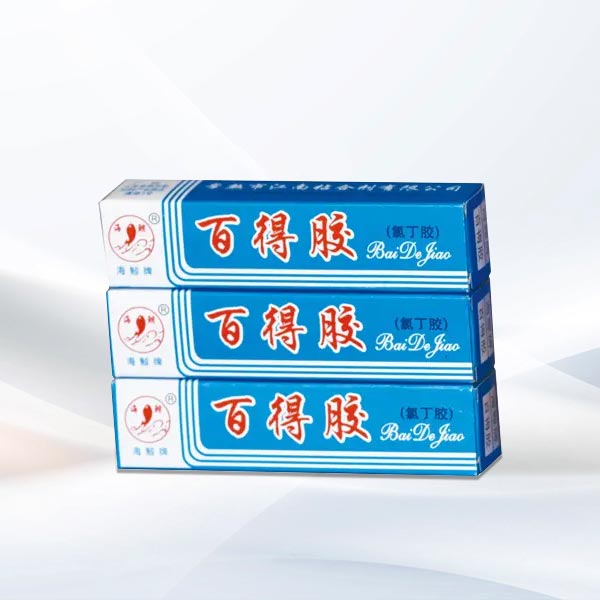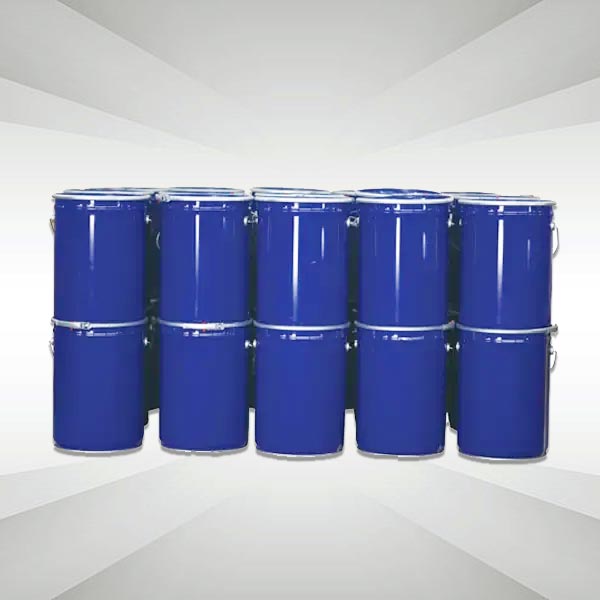

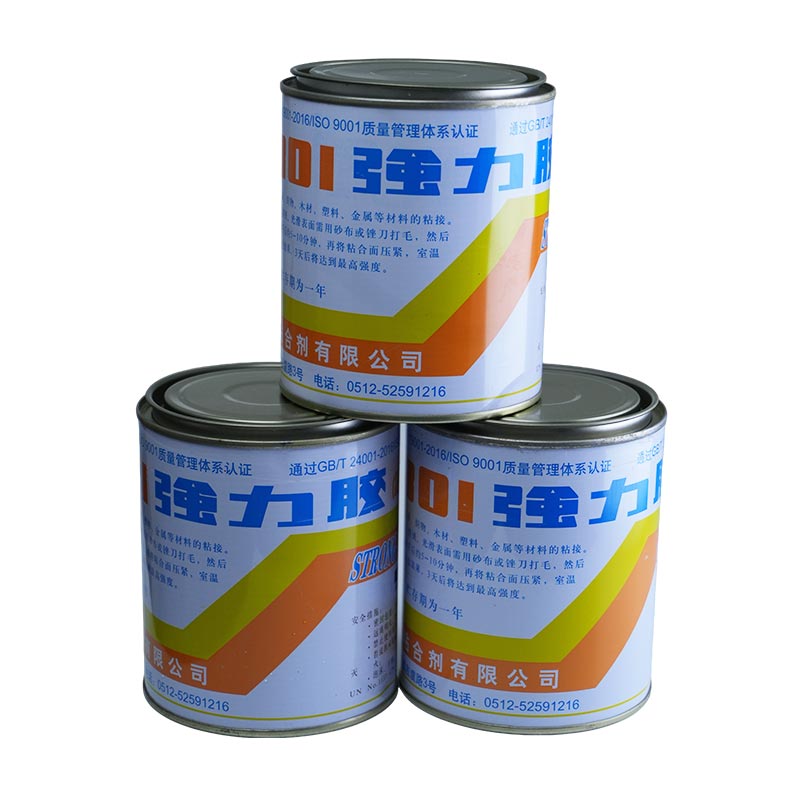
Neoprene adhesive is a synthetic rubber-based bonding material formulated using polychloroprene polymers. It is widely recognized for its excellent adhesion strength, flexibility, water resistance, weather resistance, and compatibility with multiple substrates.
Unlike some rigid adhesives, neoprene adhesive maintains elasticity after curing, allowing bonded materials to withstand vibration, thermal expansion, and mechanical stress. This unique characteristic makes it suitable for demanding industrial and commercial environments.
Today, neoprene adhesives are commonly used to bond:
Many buyers focus only on adhesive cost, but adhesive performance directly affects product quality and operational efficiency. A poorly selected adhesive can result in:
Choosing the correct neoprene adhesive ensures optimal performance under specific environmental and mechanical conditions. Factors such as temperature, humidity, chemical exposure, and substrate type must all be considered before making a selection.
Neoprene adhesive remains a preferred bonding solution because of its balanced performance characteristics.
| Property | Benefit |
|---|---|
| Strong Initial Tack | Provides fast bonding and improved productivity |
| Flexibility | Accommodates movement and vibration |
| Water Resistance | Suitable for humid and wet environments |
| Weather Resistance | Performs well outdoors |
| Heat Resistance | Maintains bond strength under elevated temperatures |
| Chemical Resistance | Resists oils and various industrial chemicals |
| Multi-Substrate Compatibility | Bonds different materials effectively |
These characteristics make neoprene adhesive an ideal solution for both permanent and semi-permanent bonding applications.
Neoprene adhesives are used across numerous industries due to their versatility.
Selecting the ideal neoprene adhesive requires evaluating several critical factors.
Different materials require different bonding characteristics. Determine whether you are bonding:
Material compatibility should always be verified before large-scale production.
Ask the following questions:
The answers help determine the required adhesive performance level.
Some applications require extremely high shear strength, while others prioritize flexibility. Understanding load conditions helps optimize adhesive selection.
Manufacturers often consider:
Choosing an adhesive that aligns with production processes improves operational efficiency.
Certain industries require adhesives with specific environmental, safety, or regulatory certifications. Always verify compliance with local regulations and customer specifications.
| Application | Recommended Feature | Primary Requirement |
|---|---|---|
| Construction Panels | High Weather Resistance | Long-Term Durability |
| Automotive Interiors | Heat Resistance | Temperature Stability |
| Footwear Production | High Flexibility | Repeated Movement Resistance |
| Furniture Assembly | Strong Initial Tack | Fast Production |
| Insulation Systems | Moisture Resistance | Long-Term Reliability |
Even high-quality neoprene adhesive may underperform if applied incorrectly.
Proper preparation significantly improves bond strength and durability.
Several common errors can reduce adhesive performance:
Avoiding these issues helps maximize bonding reliability and service life.
The neoprene adhesive market continues to evolve as manufacturers seek improved performance and sustainability. Emerging developments include:
These innovations help manufacturers meet increasingly demanding performance requirements while supporting modern production standards.
Q1: What materials can neoprene adhesive bond?
Neoprene adhesive can bond rubber, foam, leather, wood, metal, fabric, insulation materials, laminates, and many plastics.
Q2: Is neoprene adhesive waterproof?
Most neoprene adhesives offer excellent water resistance, making them suitable for humid and wet environments.
Q3: Can neoprene adhesive withstand high temperatures?
Many industrial-grade neoprene adhesives provide good heat resistance, although performance varies depending on the formulation.
Q4: How long does neoprene adhesive take to cure?
Curing time depends on the product type, application thickness, temperature, and humidity conditions.
Q5: Is neoprene adhesive suitable for outdoor applications?
Yes. Due to its weather resistance and durability, neoprene adhesive is widely used in outdoor environments.
Neoprene adhesive remains one of the most reliable and versatile bonding solutions available for industrial and commercial applications. Its combination of strong adhesion, flexibility, water resistance, weather resistance, and compatibility with diverse materials makes it suitable for construction, automotive, furniture, footwear, insulation, and many other industries.
By carefully evaluating substrate compatibility, environmental exposure, mechanical requirements, and production needs, businesses can select the most appropriate neoprene adhesive and achieve long-lasting performance.
As a trusted adhesive manufacturer, Jiangnan Adhesives provides high-quality neoprene adhesive solutions designed to meet demanding industrial requirements. Whether you need assistance selecting the right formulation or improving bonding performance in your application, our technical team is ready to help. Contact us today to discuss your project requirements and discover how Jiangnan Adhesives can deliver dependable adhesive solutions tailored to your business needs.